Approximately Up Component Tier Lists
Rankings for thrusters, sensors, and logic — tuned to demo and full-release progression.
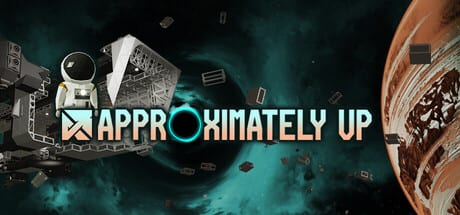
Shipbuilding in Approximately Up is only as good as the parts you bolt on and the logic you wire behind them. This Components Tier List Hub collects ranked lists for the pieces that matter most: propulsion, navigation sensors, and automation blocks. Rankings assume solo or co-op play on the Steam demo through the planned full release, with missions unlocking better hardware over time.
Tier labels follow a simple scale:
- S — Reliable default pick for its role; hard to skip once unlocked.
- A — Strong with minor setup cost or situational limits.
- B — Serviceable early or niche; upgrade when missions allow.
- C — Works in a pinch but outclassed quickly.
- D — Avoid unless you are meme-building or learning wiring.
Criteria weigh unlock timing, fuel or power cost, wiring complexity, and planet context (atmosphere vs vacuum, gravity, trip length). A part that dominates on Earth may drop tiers on the Moon or a high-gravity world — cross-read Planets and map guide when planning routes.
Thrusters — lift, cruise, and rotate
Primary thrust gets you off the pad and across space; RCS handles attitude. Our dedicated page ranks atmospheric thrusters, electric thrusters, and RCS blocks for early Earth hops, mid-game Moon transfers, and late multi-planet hauls.
Start here if you wonder why your ship lifts on Earth but drifts forever in vacuum, or why your RCS controller shows red after a long roll. The guide covers knob orientation, wireless RCS pairing, and why demo players mount electric thrusters vertically for lunar landings.
Read next: Thruster tier list
Sensors and logic — fly with information
Approximately Up is not passive power like some sandbox builders. Velocity meters, radar, altimeters, gyro lines, and logic gates turn a pile of frames into a flyable instrument panel. The sensor and logic tier list explains which readouts pay off on first flight, which automation blocks save co-op crews time, and when a bare minimum HUD beats over-engineering.
Pilots in four-player co-op especially benefit from shared radar and clear altimeter thresholds — see Co-op guide for role splits while you pick S-tier sensors.
Read next: Sensors and logic tier list
How tiers change across the demo and full game
The demo exposes a large slice of the component tree but not every late-game part teased for the full release. When August 2026 adds two more planets and broader language support, expect new missions to push higher-tier engines and heat-resistant frames. We revise lists after major patches documented on Updates and Demo vs full release.
Using tiers with tools and guides
Tier lists tell you what to install; tools tell you whether the numbers work. Pair rankings with the Thrust calculator before launching heavy cargo missions. New players should read Getting Started first, then return here when choosing between atmospheric clusters and your first electric thrusters.
Quick navigation
| Page | Focus |
|---|---|
| Thrusters | Atmospheric, electric, RCS rankings |
| Sensors & logic | Meters, radar, altimeter, gates |
| Thrust calculator | TWR planning |
| Planets map | Gravity and atmosphere by world |
Rankings reflect community testing and official item descriptions as of the current demo. If a patch rebalances thrust or sensor range, rerun your favorite route and check back — meta shifts when a formerly B-tier thruster suddenly clears a station-to-station hop.
Frequently Asked Questions
Quick answers to the most common questions.
How often is the tier list updated?
After major demo patches or full-release updates that change part stats, unlock order, or mission rewards.
Are tier lists the same for solo and co-op?
Mostly yes. Co-op favors shared radar and simpler RCS setups because four players can split wiring and pilot duties.
Why does a thruster rank differently on Earth and the Moon?
Atmospheric thrusters need air density; electric thrusters shine in vacuum. Gravity and trip length change which part is S-tier.